Dr Muhammad Hidayat Greenfield, Sekretaris Regional
Tidak ada kegagalan moral, sosial dan politik yang lebih besar daripada penolakan pemerintah untuk melindungi hak-hak anak; untuk mengakhiri segala bentuk pekerja anak; dan untuk memastikan bahwa semua anak memiliki akses tanpa syarat terhadap pendidikan publik yang gratis, bersama dengan akses keluarga mereka terhadap perumahan yang terjangkau, makanan yang cukup dan bergizi, dan layanan kesehatan publik. Hak pendukung yang sangat penting adalah hak para pekerja dewasa, petani, dan pemuda untuk secara bebas berserikat dan mewakili diri mereka secara kolektif. Secara keseluruhan, hal-hal tersebut merupakan hak asasi manusia yang fundamental dan universal yang harus menjamin bahwa setiap orang, di mana pun, dapat menikmati apa yang dijelaskan dalam Deklarasi Universal Hak Asasi Manusia sebagai kehidupan yang layak sesuai dengan martabat manusia.
Namun hampir delapan dekade setelah Deklarasi Universal Hak Asasi Manusia diadopsi pada tahun 1948, kehidupan seperti itu masih berada di luar jangkauan lebih dari 180 juta anak yang dieksploitasi sebagai pekerja anak saat ini.
Banyak orang dalam sistem PBB dan badan-badan publik-swasta saat ini berasumsi bahwa eksploitasi ini adalah hasil dari orang tua yang miskin dan/atau orang dewasa yang tidak berpendidikan dan tidak sadar yang mempekerjakan anak-anak ini. Pendidikan, kesadaran, dan kerja sama teknis dengan pemerintah adalah – seperti yang dikatakan kepada kita – jawabannya. Bahkan ketika pemerintah otoriter dan militer secara brutal menindas penduduk sipil, dan pemerintah demokratis secara sistematis menolak dan mengecualikan orang berdasarkan ras, etnis, asal sosial, kasta atau agama, tindakan-tindakan tersebut tetap diberi legitimasi internasional melalui kerja sama teknis dan penguatan kapasitas.
Lebih dari 180 juta anak tidak dilarang haknya untuk hidup bermartabat semata-mata karena kemiskinan atau kurangnya kapasitas teknis pemerintah. Penolakan ini dilembagakan melalui diskriminasi dan pengucilan berdasarkan ras, etnis, asal sosial, kasta atau agama. Ini adalah penyangkalan yang dilembagakan yang paling dirasakan oleh masyarakat adat dan Bangsa Pertama, yang pertama dan terutama ditolak haknya atas tanah dan sumber daya yang sejak awal merupakan milik mereka. Marginalisasi ekonomi dan politik yang diakibatkannya (diperkuat oleh kekerasan negara) menciptakan dan melanggengkan kemiskinan ini.
Pada akhirnya, penolakan yang dilembagakan ini melemahkan keuniversalan hak asasi manusia (setiap orang, di mana saja) dengan menyingkirkan ratusan juta orang dewasa, pemuda, dan anak-anak tidak hanya dari akses terhadap hak asasi manusia, tetapi juga dari kategori sebagai manusia. Anda tidak dapat memiliki kehidupan yang layak dan bermartabat sebagai manusia jika Anda bahkan tidak diperlakukan sebagai manusia.
Pada bulan September 2020, manajemen global Belanda dari produsen Chupa Chups, Perfetti van Melle, menepis bukti adanya pekerja anak di pabrik mereka di Bangladesh, sambil tertawa dan bercanda selama pemutaran foto, video, dan catatan sekolah. Jauh dari hal yang tidak biasa, hal ini menggambarkan apa yang terjadi ketika anak-anak di Asia tidak dianggap sebagai manusia.
Kemiskinan dan pekerja anak terus berlanjut bukan hanya karena tantangan ekonomi yang tidak dapat diatasi dan kapasitas pemerintah, tetapi karena pengentasan kemiskinan dan penghapusan pekerja anak telah menjadi kegiatan ekonomi tersendiri. Hal ini membenarkan keberadaan program pemerintah dan jaringan yayasan, LSM, dan lembaga publik-swasta yang luas. Selama marginalisasi dan penolakan yang dilembagakan tersebut terus berlanjut, kebijakan apa pun yang ditujukan untuk “pengentasan kemiskinan” dan “inklusi” berakhir sebagai perusahaan negara yang birokratis atau kegiatan bisnis komersial yang menguntungkan – atau keduanya.
Dari 52 pekerja yang tewas dalam kebakaran Pabrik Hashem Foods di Bangladesh pada 10 Juli 2021, 19 di antaranya adalah anak-anak. Pabrik tersebut memproduksi produk makanan untuk merek seperti Lotte dari Korea Selatan dan Nocilla dari Spanyol, tetapi tidak satu pun dari perusahaan ini yang bertanggung jawab. Sementara kebakaran pabrik masih berlangsung, pejabat konfederasi serikat pekerja nasional, menawarkan formula “Rana Plaza”, menghubungi keluarga dan menawarkan untuk mendapatkan kompensasi dengan imbalan sebagian uang. Puluhan yayasan dan LSM kemudian terlibat. Dari kantor ILO, keheningan terjadi, karena seluruh fokus bergeser (lagi) bukan ke hak asasi manusia dan hak asasi manusia kolektif pekerja, tetapi ke standar keselamatan kebakaran.
Di beberapa negara di Asia Selatan dan Tenggara, kita melihat puluhan (dan di beberapa negara ratusan) yayasan, LSM, konsultan, kelompok penasihat, dan bahkan beberapa serikat pekerja nasional yang terlibat dalam bisnis berbicara mengenai pekerja anak (sumber pendanaan proyek internasional dan pendanaan perusahaan) daripada melakukan tindakan bersama untuk mengakhiri pekerja anak.
Namun yang menonjol – kekurangan dana, kurang terwakili, dan sering diabaikan – adalah yayasan, LSM, jaringan, aliansi, jurnalis, dan organisasi komunitas yang berkomitmen pada advokasi, pendidikan, dan tindakan yang tetap berani bertekad untuk mengakhiri pekerja anak.
Merupakan kewajiban moral, sosial, dan politik kita sebagai serikat pekerja untuk memberikan solidaritas dan dukungan kepada organisasi-organisasi yang berani dan berkomitmen ini serta memastikan keberhasilan mereka. Mereka harus didengar dan dampaknya harus dirasakan.
Kita tidak bisa lagi berdiam diri dan menyalahkan kemiskinan struktural, kurangnya kesadaran atau kapasitas teknis pemerintah yang tidak memadai atas terus meningkatnya jumlah pekerja anak di seluruh dunia. Kita harus berjuang melawan penolakan yang dilembagakan, dan berjuang bersama dengan masyarakat terpinggirkan untuk menghilangkan hambatan yang menghalangi akses mereka terhadap hak asasi manusia universal, termasuk hak untuk menjalani kehidupan yang bermartabat. Pekerja anak akan hilang ketika hak-hak ini terwujud, karena anak-anak memiliki makanan, rumah, perawatan kesehatan, dan akses ke pendidikan berkualitas yang mencakup, menyambut, dan memelihara mereka tanpa menyangkal atau menghancurkan nilai-nilai dan identitas budaya, agama, dan sosial mereka. Dan tanpa mengharuskannya untuk menghasilkan keuntungan finansial.
Untuk lebih jelasnya, sebuah misi peradaban mendidik orang miskin untuk menghentikan eksploitasi brutal terhadap anak-anak mereka di tempat kerja tidak lagi diperlukan (tidak pernah diperlukan). Ketika orang dewasa memiliki akses terhadap pekerjaan dan mata pencaharian yang layak, terhadap tanah dan sumber daya, dan kaum muda memiliki akses terhadap pembelajaran keterampilan seumur hidup dan magang yang berkualitas, budaya dan sistem kepercayaan mereka sendiri, maka mereka sendiri akan memastikan akses kolektif mereka terhadap hak-hak dan mengakhiri pekerja anak. Mereka tahu bagaimana cara mencintai anak-anak mereka. Tidak diperlukan kerja sama teknis, ceramah atau poster.
Perusahaan global mengalokasikan sumber daya yang signifikan kepada LSM, lembaga akreditasi, dan yayasan untuk mengelola masalah pekerja anak dalam rantai pasokan mereka. Karena organisasi-organisasi ini dan para ahli mereka menghabiskan premi sebelum mencapai petani, kita berakhir dengan poster-poster yang memberi tahu petani yang ‘tidak berpendidikan’ untuk tidak menggunakan pekerja anak dan sebaliknya menggunakan praktik pertanian yang baik. Sama seperti masa kolonial, fokusnya adalah pada perubahan perilaku dan budaya (menjadi lebih “beradab”) daripada mengatasi utang dan akses ke hak asasi manusia.
Tentu saja pemerintahan dan lembaga-lembaga internasional mereka yang gagal, yang memerlukan kesadaran yang lebih besar, poster-poster dan kampanye-kampanye publik untuk menekan mereka agar bertindak.
Dengan segala kekurangan dan keterbatasannya, Deklarasi Universal Hak Asasi Manusia diadopsi pada tahun 1948, yang dianggap sebagai awal berakhirnya kolonialisme, yang menjanjikan kesetaraan ras, serangkaian hak asasi manusia, dan kehidupan yang bermartabat. Bagi ratusan juta orang dewasa, pemuda, dan anak-anak saat ini – termasuk 180 juta anak yang bekerja sebagai pekerja anak – tampaknya semua ini belum tercapai. Itulah kegagalan kolektif kita. Atas kegagalan ini, tetap menjadi tanggung jawab kita bersama untuk mengorganisir dan mengambil tindakan sosial dan politik guna mewujudkan tujuan-tujuan tersebut.
सरकारों द्वारा बच्चों के अधिकारों की रक्षा करने से इनकार करना, सभी प्रकार के बाल श्रम को समाप्त करने में विफल रहना, और यह सुनिश्चित न करना कि सभी बच्चों को बिना किसी शर्त के निशुल्क सार्वजनिक शिक्षा मिले; साथ ही उनके परिवारों को किफायती आवास, पर्याप्त और पोषक भोजन, और सार्वजनिक स्वास्थ्य सेवाएं उपलब्ध हों — ये सभी नैतिक, सामाजिक और राजनीतिक विफलताओं में सबसे बड़ी विफलताएं हैं। एक महत्वपूर्ण सशक्तिकरण अधिकार यह है कि वयस्क श्रमिकों, किसानों और युवाओं को स्वतंत्र रूप से संगठित होने और सामूहिक रूप से अपनी प्रतिनिधित्व करने का अधिकार हो। ये सभी अधिकार मिलकर बुनियादी और सार्वभौमिक मानव अधिकार बनाते हैं, जो यह सुनिश्चित करते हैं कि हर व्यक्ति, हर जगह, उस जीवन का आनंद ले सके जिसे मानव गरिमा के योग्य जीवन के रूप में Universal Declaration of Human Rights (सर्वजनिक मानवाधिकार घोषणा) में वर्णित किया गया है।
मगर, मानव अधिकारों की सार्वभौमिक घोषणा को 1948 में अपनाए जाने के लगभग आठ दशक बाद भी ऐसा जीवन आज भी बाल श्रम के रूप में शोषित 180 मिलियन से अधिक बच्चों की पहुंच से बाहर है।
संयुक्त राष्ट्र प्रणाली और उसकी सार्वजनिक-निजी एजेंसियों में कई लोग आज यह मानते हैं कि इस शोषण का कारण गरीब माता-पिता और/या वे अशिक्षित और अज्ञान वयस्क हैं जो इन बच्चों से काम करवाते हैं। हमें बताया जाता है कि इसका समाधान शिक्षा, जागरूकता और सरकारों के साथ तकनीकी सहयोग है। लेकिन जब एक ओर अधिनायकवादी और सैन्य सरकारें नागरिक आबादी पर क्रूर दमन करती हैं, और दूसरी ओर लोकतांत्रिक सरकारें लोगों के साथ उनकी जाति, नस्ल, सामाजिक मूल या धर्म के आधार पर योजनाबद्ध रूप से भेदभाव और बहिष्कार करती हैं, तब भी ऐसी कार्रवाइयों को तकनीकी सहयोग और क्षमता निर्माण के माध्यम से अंतरराष्ट्रीय वैधता प्रदान कर दी जाती है।
18 करोड़ से अधिक बच्चों को केवल गरीबी या सरकारों की तकनीकी क्षमता की कमी के कारण ही मानव गरिमा के योग्य जीवन से वंचित नहीं किया जाता। यह वंचना संस्थागत रूप से लागू की जाती है, नस्ल, जातीयता, सामाजिक मूल, जाति या धर्म के आधार पर भेदभाव और बहिष्कार के ज़रिए। इस संस्थागत वंचना का सबसे गहरा असर आदिवासी और मूलनिवासी समुदायों पर पड़ता है, जिन्हें सबसे पहले और सबसे अधिक उनके अपने भूमि और संसाधनों के अधिकार से वंचित किया जाता है। इसके परिणामस्वरूप आर्थिक और राजनीतिक हाशिए पर धकेले जाने (राज्य हिंसा द्वारा प्रबल) से गरीबी पैदा होती है और लगातार बनी रहती है।
अंततः यह संस्थागत वंचना मानव अधिकारों की सार्वभौमिकता (हर व्यक्ति, हर स्थान पर) को कमजोर कर देती है, क्योंकि यह करोड़ों वयस्कों, युवाओं और बच्चों को न केवल मानव अधिकारों की पहुँच से बाहर कर देती है, बल्कि उन्हें “मानव” माने जाने की श्रेणी से ही बाहर कर देती है। अगर किसी इंसान के साथ इंसान की तरह व्यवहार ही नहीं किया जाता, तो वह मानव गरिमा के योग्य जीवन कैसे जी सकता है।
सितंबर 2020 में, चुपा चुप्स बनाने वाली कंपनी परफ़ेटी वैन मेले के डच वैश्विक प्रबंधन ने बांग्लादेश में अपने कारखाने में बाल श्रम के सबूतों को खारिज कर दिया, फ़ोटो, वीडियो और स्कूल रिकॉर्ड पेश करते समय हंसी-मज़ाक किया। यह व्यहवार असामान्य होने से बहुत दूर है, यह दर्शाता है कि क्या होता है जब एशिया में बच्चों को इंसान नहीं माना जाता है।
गरीबी और बाल श्रम केवल अपार आर्थिक चुनौतियों या सरकार की सीमित क्षमता के कारण ही जारी नहीं रहते, बल्कि इसलिए बने हुए हैं क्योंकि गरीबी उन्मूलन और बाल श्रम को समाप्त करना स्वयं एक आर्थिक गतिविधि बन चुका है। यह सरकारी योजनाओं और फाउंडेशनों, एनजीओज़ तथा सार्वजनिक-निजी संस्थाओं के एक विशाल तंत्र के अस्तित्व को उचित ठहराता है। जब तक यह हाशिए पर डालना और संस्थागत वंचना बनी रहती है, तब तक “गरीबी उन्मूलन” और “समावेशन” के नाम पर बनाई गई नीतियाँ एक नौकरशाही आधारित सरकारी उपक्रम या लाभ कमाने वाला व्यावसायिक कार्य, या दोनों, बनकर रह जाती हैं।
बांग्लादेश में 10 जुलाई 2021 को हाशेम फूड्स फैक्ट्री में लगी आग में मारे गए 52 मज़दूरों में से 19 बच्चे थे। यह फैक्ट्री दक्षिण कोरिया की कंपनी लौटें (Lotte) और स्पेन की नोचिल्ला (Nocilla) जैसे ब्रांड्स के लिए खाद्य उत्पाद बनाती थी, लेकिन इन कंपनियों में से किसी ने भी ज़िम्मेदारी नहीं ली। जब फैक्ट्री में आग अभी भी जल रही थी, तब राष्ट्रीय ट्रेड यूनियन परिसंघ के अधिकारी “राना प्लाज़ा” फॉर्मूले की पेशकश करते हुए पीड़ित परिवारों से संपर्क करने लगे और मुआवज़ा दिलवाने के बदले उसमें से हिस्सा माँगने लगे। इसके बाद दर्जनों फ़ाउंडेशन और एनजीओ शामिल हो गए। अंतर्राष्ट्रीय श्रम संगठन (ILO) के कार्यालय की ओर से पूरी तरह चुप्पी रही, क्योंकि सारा ध्यान फिर से श्रमिकों के मानवाधिकारों और सामूहिक अधिकारों की बजाय केवल फायर सेफ़्टी स्टैंडर्ड्स पर केंद्रित हो गया।
दक्षिण और दक्षिण-पूर्व एशिया के कई देशों में हम देखते हैं कि दर्जनों (और कुछ देशों में सैकड़ों) फाउंडेशन, एनजीओ, परामर्श कंपनियाँ, सलाहकार समूह, और यहाँ तक कि कुछ राष्ट्रीय ट्रेड यूनियनें भी बाल श्रम को समाप्त करने की ठोस कार्रवाई करने की बजाय बाल श्रम पर बात करने के व्यवसाय (अंतरराष्ट्रीय परियोजनाओं और कॉर्पोरेट फंडिंग का स्रोत) में लगी हुई हैं।
फिर भी, वे समर्पित फाउंडेशन, एनजीओ, नेटवर्क, गठबंधनों, पत्रकारों और सामुदायिक संगठन जो बाल श्रम को खत्म करने के लिए वकालत, शिक्षा और कार्रवाई में लगे हुए हैं, अक्सर अल्प वित्तपोषित, अल्प प्रतिनिधित्व और अक्सर अनदेखा किए जाने वाले होते हैं, लेकिन वे साहसपूर्वक दृढ़ निश्चय के साथ इस लड़ाई को जारी रखते हैं।
ट्रेड यूनियनों के रूप में यह हमारा नैतिक, सामाजिक और राजनीतिक दायित्व है कि हम इन साहसी, प्रतिबद्ध संगठनों के प्रति अपनी एकजुटता और समर्थन बढ़ाएं और उनकी सफलता सुनिश्चित करें। उनकी बात सुनी जानी चाहिए और उनके प्रभाव को महसूस किया जाना चाहिए।
हम अब और चुपचाप खड़े होकर संरचनात्मक गरीबी, जागरूकता की कमी या अपर्याप्त सरकारी तकनीकी क्षमता को वैश्विक स्तर पर बाल श्रम में निरंतर वृद्धि के लिए दोषी नहीं ठहरा सकते। हमें संस्थागत इनकार के खिलाफ लड़ना चाहिए, और हाशिए पर धकेले लोगों के साथ मिलकर सार्वभौमिक मानवाधिकारों तक उनकी पहुँच को रोकने वाली बाधाओं को दूर करना चाहिए, जिसमें मानवीय गरिमा के योग्य जीवन जीने का अधिकार भी शामिल है। बाल श्रम तब समाप्त हो जाता है जब ये अधिकार साकार हो जाते हैं, जब बच्चों के पास भोजन, आवास, स्वास्थ्य सेवा और गुणवत्ता वाली शिक्षा होती है, जो उन्हें स्वीकार करती है, उनका पोषण करती है, और उनके सांस्कृतिक, धार्मिक और सामाजिक मूल्यों व पहचान को न तो नकारती है और न ही खत्म करती है। और इसके लिए वित्तीय रूप से लाभदायक होने की आवश्यकता बनाये बग़ैर।
स्पष्ट रूप से कहें तो, गरीब लोगों को शिक्षित करने के लिए एक सभ्य मिशन की अब आवश्यकता नहीं है ताकि उनके बच्चों का काम में क्रूरतापूर्वक शोषण न हो (इसकी आवश्यकता कभी नहीं थी)। जब वयस्कों को सभ्य काम और आजीविका, भूमि और संसाधनों तक पहुंच होगी, और युवाओं को आजीवन कौशल सीखने और गुणवत्तापूर्ण प्रशिक्षुता और उनकी अपनी संस्कृति और विश्वास प्रणाली तक पहुंच होगी, तो वे स्वयं अपने अधिकारों तक अपनी सामूहिक पहुंच और बाल श्रम का अंत सुनिश्चित करेंगे। वे जानते हैं कि अपने बच्चों से कैसे प्यार करना है। किसी तकनीकी सहयोग, व्याख्यान या पोस्टर की आवश्यकता नहीं है।
वैश्विक कंपनियाँ अपनी आपूर्ति श्रृंखलाओं में बाल श्रम की समस्या का प्रबंधन करने के लिए एनजीओ, मान्यता एजेंसियों और फाउंडेशनों को महत्वपूर्ण संसाधन आवंटित करती हैं। चूंकि ये संगठन और उनके विशेषज्ञ किसानों तक पहुँचने से पहले ही प्रीमियम का उपभोग कर लेते हैं, इसलिए हमारे पास ‘अशिक्षित’ किसानों को बाल श्रम का उपयोग न करने और इसके बजाय अच्छी कृषि पद्धतियों का उपयोग करने के लिए कहने वाले पोस्टर होते हैं। औपनिवेशिक काल की तरह, ऋण पर काबू पाने और मानवाधिकारों तक पहुँच के बजाय व्यवहार और संस्कृति परिवर्तन (अधिक “सभ्य” बनना) पर ध्यान केंद्रित किया जाता है।
निस्संदेह, सरकारों और उनकी असफल अंतर्राष्ट्रीय संस्थाओं पर कार्रवाई के लिए दबाव बनाने हेतु अधिक जागरूकता, पोस्टर और सार्वजनिक अभियान की आवश्यकता है।
अपनी सभी कमियों और सीमाओं के बावजूद, मानवाधिकारों की सार्वभौमिक घोषणा 1948 में उस समय अपनाई गई थी, जिसे उपनिवेशवाद के अंत की शुरुआत माना जाता था, जिसमें नस्लीय समानता, मानवाधिकारों की एक श्रृंखला और मानवीय गरिमा के योग्य जीवन का वादा किया गया था। आज करोड़ों वयस्कों, युवाओं और बच्चों के लिए – जिनमें बाल श्रम में 18 करोड़ बच्चे शामिल हैं – ऐसा लगता है कि इनमें से कुछ भी अभी तक हासिल नहीं हुआ है। यह हमारी सामूहिक विफलता है। इस विफलता के आलोक में, इन लक्ष्यों को प्राप्त करने के लिए सामाजिक और राजनीतिक कार्रवाई को संगठित करना हमारी सामूहिक जिम्मेदारी है।
There is no greater moral, social and political failure than the refusal of governments to protect the rights of children; to bring an end to all forms of child labour; and to ensure that all children have unconditional access to free public education, along with their families’ access to affordable housing, adequate and nutritious food, and public health care. Taken together, these are fundamental, universal human rights that should ensure that everyone, everywhere can enjoy what the Universal Declaration of Human Rights describes as a life worthy of human dignity.
When looking at Afghanistan, this moral, social and political failure is multiplied several times over. As the international community continues to ignore the human rights abuses and repression by the Taliban, the rise in child labour is causing terrible hardship and suffering. The stories of children and their families reported here makes it painfully clear what is happening. And yet an entire generation of children not going to school – and all the girls who are denied access to education – means this is also about the future. Unless we act, this institutionalized denial could be perpetuated for generations. This is not an accidental outcome of irrational and oppressive policies. A generation without education, a generation without literacy, certainly serves a regime founded on ignorance and intolerance.
In Afghanistan under the Taliban, this institutionalized denial of human rights extends to the exclusion of women from work and public life. This not only impoverishes families by denying incomes previously earned by women but compels children to work to replace the incomes that women are no longer able to earn. This is further exacerbated by the ban on education for women and girls. As several of these stories explain, once the Taliban banned girls from attending school beyond sixth grade, there was nothing left for girls but to work.
It is in this sense that institutionalized denial drives child labour in Afghanistan today. Women are denied the right to work and engage in economic activities in public; girls are denied the right to education; and entire families are denied the right to their livelihoods as they face economic hardship and poverty. It is this institutionalized denial of human rights that is forcing children to engage in child labour, not poverty.
Yet the Taliban is already using the food security crisis, increased poverty, and the massive increase in child labour to seek international aid and technical cooperation with UN agencies and foreign governments. Our moral, social and political failure will be compounded even further if UN agencies and foreign governments provide such international aid and technical cooperation. This would only serve to give the Taliban recognition as a government and allow it to establish its legitimacy – a legitimacy it does not currently have.
No amount of international aid and technical cooperation can address poverty and child labour as long as its fundamental cause – the ban on the right of women to work and engage in economic activities in the public domain, and the ban on the right of women and girls to education. Unless these bans are lifted and the human rights of women and girls are institutionalized, then the institutionalized denial of human rights will continue to drive an increase in child labour. The stories of children’s hardship and suffering reported here in these pages will be multiplied over and over in the coming months and years. As will our shame for failing the children of Afghanistan.
The courageous women journalists of The Afghan Times have published a new report on child labour in Afghanistan in conjunction with the International Day for the Elimination of Child Labour on June 12, 2025.
The 64-page report examines the hardship and exploitation faced by children in several occupations, as they struggle to support their families under Taliban rule. With women banned from employment and economic activities in public life, children are compelled to earn family incomes. The ban on girls attending school beyond sixth grade means they are also compelled to work in the informal economy, and will do so for the rest of their lives.
This urgent message in this report gains a greater sense of urgency as governments and international aid agencies start to recognize and legitimate the Taliban, further deepening the crisis faced by women and girls for decades to come.
Please click here to download the full report [PDF 220MB]
Dr Muhammad Hidayat Greenfield, Regional Secretary
There is no greater moral, social and political failure than the refusal of governments to protect the rights of children; to bring an end to all forms of child labour; and to ensure that all children have unconditional access to free public education, along with their families’ access to affordable housing, adequate and nutritious food, and public health care. A crucial enabling right is the right of adult workers, farmers and youth to freely organize and collectively represent themselves. Taken together, these are fundamental, universal human rights that should ensure that everyone, everywhere can enjoy what the Universal Declaration of Human Rights describes as a life worthy of human dignity.
Yet nearly eight decades after the the Universal Declaration of Human Rights was adopted in 1948, such a life remains beyond the reach of over 180 million children exploited as child labour today.
Many in the UN system and its public-private agencies today assume this exploitation is the result of impoverished parents and/or the uneducated, unaware adults that employ these children. Education, awareness and technical cooperation with governments is – we are told – the answer. Even as authoritarian and military governments brutally repress civilian populations, and democratic governments systematically deny and exclude people based on race, ethnicity, social origin, caste or religion, such actions are given international legitimacy through technical cooperation and capacity building.
Over 180 million children are not denied a life worthy of human dignity simply because of poverty or a lack of technical capacity within governments. This denial is institutionalized through discrimination and exclusion based on race, ethnicity, social origin, caste or religion. It is an institutionalized denial felt most of all by indigenous and First Nations peoples, who are first and foremost denied the right to the land and resources that are theirs to begin with. The resulting economic and political marginalization (reinforced by state violence) creates and perpetuates this poverty.
Ultimately this institutionalized denial undermines the universality of human rights (everyone, everywhere) by removing hundreds of millions of adults, youth and children not just from access to human rights, but from the category of being human. You cannot have a life worthy of human dignity if you are not even treated as human.
In September 2020, the Dutch global management of Chupa Chups maker Perfetti van Melle dismissed evidence of child labour at their factory in Bangladesh, laughing and joking during the presentation of photos, videos and school records. Far from being unusual, it illustrates what happens when children in Asia are not considered to be human.
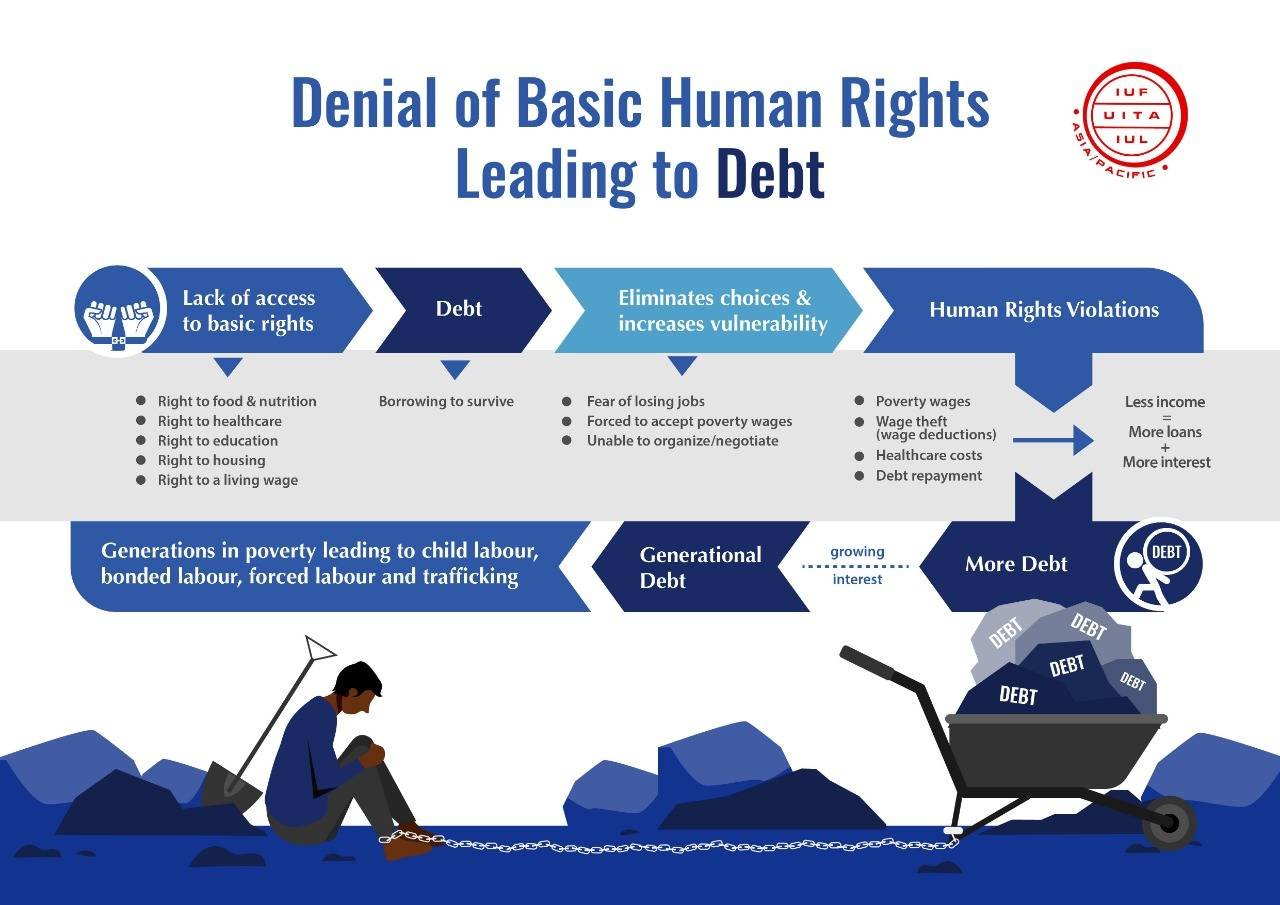
Poverty and child labour continue not simply due to insurmountable economic challenges and government capacity, but because poverty alleviation and eliminating child labour have become economic activities in and of themselves. It justifies the existence of government programs and a vast network of foundations, NGOs and public-private institutions. As long as such marginalization and institutionalized denial persists, any policies aimed at “poverty alleviation” and “inclusion” end up as a bureaucratic state enterprise or a profitable commercial business activity – or both.
Of the 52 workers who died in the Hashem Foods Factory fire in Bangladesh on July 10, 2021, 19 were children. The factory made food products for brands like Lotte from South Korea and Nocilla from Spain, but none of these companies took responsibility. While the factory fire was still burning national trade union confederation officials, offering a “Rana Plaza” formula, contacted families and offered to get compensation in return for a share of the money. Dozens of foundations and NGOs then became involved. From the ILO office silence, as the entire focus shifted (again) not to human rights and collective human rights of workers, but to fire safety standards.
In several countries in South and Southeast Asia, we see dozens (and in some countries hundreds) of foundations, NGOs, consultancies, advisory groups and even some national trade unions engaged in the business of talking about child labour (a source of international project funding and corporate funding) rather than concerted action to end child labour.
And yet standing apart – underfunded, underrepresented, and often ignored – are those committed foundations, NGOs, networks, alliances, journalists, and community organizations dedicated to advocacy, education and action who remain courageously determined to bring an end to child labour.
It is our moral, social and political obligation as trade unions to extend our solidarity and support to these courageous, committed organizations and ensure their success. They must be heard and their impact must be felt.
We can no longer stand by and blame structural poverty, lack of awareness or insufficient government technical capacity for the continued rise in child labour globally. We must fight against institutionalized denial, and fight together with marginalized peoples to remove the barriers preventing their access to universal human rights, including the right to live a life worthy of human dignity. Child labour disappears when these rights are realized, as children have food, housing, health care and access to quality education that includes, welcomes and nurtures them without denying or destroying their cultural, religious and social values and identity. And without requiring it to be financially profitable.
To be clear, a civilizing mission to educate poor people to stop their children being brutally exploited in work is no longer needed (it never was). When adults have access to decent work and livelihoods, to land and resources, and youth have access to lifelong skills learning and quality apprenticeships and their own culture and belief systems, then they will themselves ensure their collective access to rights and an end to child labour. They know how to love their children. No technical cooperation, lectures or posters are needed.
Global companies allocate significant resources to NGOs, accreditation agencies and foundations to manage the child labour issue in their supply chains. As these organizations and their experts consume the premium before it reaches farmers, we end up with posters telling ‘uneducated’ farmers not to use child labour and instead use good agricultural practices. Much like colonial times, the focus is on behaviour and culture change (becoming more “civilized”) rather than overcoming debt and access to human rights.
It is of course governments and their failed international institutions that need greater awareness, posters and public campaigns to pressure them into action.
With all its faults and limitations, the Universal Declaration of Human Rights was adopted in 1948 at what was thought to be the beginning of the end of colonialism, promising racial equality, an array of human rights, and a life worthy of human dignity. For hundreds of millions of adults, youth and children today – including 180 million children in child labour – it seems that none of this has been achieved yet. That is our collective failure. In the light of this failure, it remains our collective responsibility to organize and take social and political action to realize these goals.
On the World Day Against Child Labour, June 12, 2024, the courageous women journalists of The Afghan Times bring attention to the rise in child labour in Afghanistan.
Under Taliban rule the country is sinking into even greater poverty. The severe restrictions on the rights of women, including the right to work, deepens this crisis and contributes to the dramatic rise in child labour.