सैन्य शासन अपनी चुनावी जीत का संचालन सेना की अपनी राजनीतिक पार्टी, यूनियन सॉलिडेरिटी एंड डेवलपमेंट पार्टी (यूएसडीपी) के माध्यम से करेगा।
28 दिसंबर 2025 को जब चुनाव शुरू होंगे, तो सैन्य शासन के 20 से ज़्यादा मंत्री और शीर्ष नेता यूएसडीपी के माध्यम से उम्मीदवार के रूप में चुनाव लड़ेंगे। इनमें सेवानिवृत्त सैन्य जनरल और सैन्य शासन में वरिष्ठ पदों पर कार्यरत कम से कम 11 सेवारत जनरल शामिल हैं।
अभी तक सेना के सभी रैंकों के 489 सैन्य अधिकारी यूएसडीपी में शामिल होकर इन बनावटी चुनावों में भारी बहुमत से “जीत” हासिल कर चुके हैं।
हालाँकि ये सैन्य अधिकारी यूएसडीपी के उम्मीदवार के रूप में बनावटी चुनाव लड़ने का आभास देते हैं, लेकिन परिणाम पहले से ही सुनिश्चित है।
“लोकतांत्रिक” चुनावों के मद्देनजर म्यांमार के सैन्य शासन की बीमा पॉलिसी हमेशा से संसद में उसकी सीटों की गारंटी रही है: ये सीटें सेना के लिए आरक्षित हैं।
निचले सदन में, चुनाव के लिए 330 सीटों में से 110 (30%) सेना के लिए आरक्षित हैं। उच्च सदन में, चुनाव के लिए 168 सीटों में से 56 (33%) सेना के लिए आरक्षित हैं।
अतः यूएसडीपी उम्मीदवारों के रूप में फर्जी चुनावों में भाग लेने वाले सैन्य जनरलों और सेवानिवृत्त सैन्य जनरलों के अलावा, सेना अपने आरक्षित सीटों पर वरिष्ठ सैन्य अधिकारियों को भी नियुक्त करेगी।
28 दिसंबर 2025 से शुरू होने वाले चुनावों को असली दिखाने के लिए म्यांमार की सैन्य शासन यह सुनिश्चित करेगी कि “विपक्षी” दल भी इसमें भाग लें।
जनवरी 2023 में सैन्य शासन द्वारा बनाए गए राजनीतिक दल पंजीकरण कानून के तहत, राष्ट्रीय चुनावों में भाग लेने के इच्छुक दलों के कम से कम 1,00,000 सदस्य होने चाहिए और 330 में से 110 जनपद में उनके कार्यालय होने चाहिए। जब सभी लोकतंत्र समर्थक राजनीतिक दलों को पहले ही अवैध घोषित कर दिया गया है और “आतंकवादी” संगठनों के रूप में प्रतिबंधित कर दिया गया है, तो एक वास्तविक विपक्षी दल कैसे संभव है?
सेना द्वारा कब्ज़े वाले जनपद में आज़ादी पर लगाए गए कड़े प्रतिबंधों और देश भर में नागरिक आबादी पर सैन्य हमलों का मतलब है कि खुलेआम एक लाख सदस्यों की भर्ती करना और 100 से ज़्यादा कार्यालय खोलना असंभव है। केवल सेना के साथ सहयोग करने वाले राजनीतिक दल ही ऐसा कर सकते हैं।
चुनावों में कई राजनीतिक दलों के शामिल होने का आभास दिलाने के लिए, सैन्य शासन का राजनीतिक दल पंजीकरण कानून क्षेत्रीय दलों को पंजीकरण की अनुमति देता है। ये वे दल हैं जो स्थानीय चुनावों में शामिल हो सकते हैं, लेकिन राष्ट्रीय चुनावों में नहीं। इन क्षेत्रीय दलों के कम से कम 1,000 सदस्य और पाँच नगरों में कार्यालय होने चाहिए।
संभवतः 40 क्षेत्रीय पार्टियाँ अब पंजीकृत हैं, लेकिन उनमें से कई के पास कोई उम्मीदवार नहीं है और उनके कार्यालय का पता सिर्फ़ कागज़ पर है। फिर से, सेना के साथ मिलीभगत ही पंजीकरण का एकमात्र तरीका है। सैन्य शासन को पूरा भरोसा है कि क्षेत्रीय या राज्य स्तर पर ये कठपुतली राजनीतिक पार्टियाँ असली चुनावों का ढोंग दिखने में मदद करेंगी।
सैन्य-नियंत्रित संघीय चुनाव आयोग (यूईसी) ने घोषणा की है कि देश के 330 टाउनशिप में से केवल 102 जनपद ही 28 दिसंबर 2025 से शुरू होने वाले चुनावों में शामिल होंगे। यह कुल निर्वाचन क्षेत्रों का केवल 31% है।
बाकी 69% को क्यों श्यामिल नहीं किया गया है? क्योंकि ज़्यादातर जनपद को पीपुल्स डिफेंस फ़ोर्स (पीडीएफ़) और जातीय क्रांतिकारी संगठनों (ईआरओ) ने सैन्य शासन से आज़ाद कराया है, जो लोकतंत्र के लिए लड़ रहे है। इसके अलावा, दर्जनों जनपद पर सैन्य शासन हमला कर रहा है। सत्ताधारी सैन्य शासन नियंत्रण वापस लेने के लिए हवाई बमबारी कर रहा है – जिसमें स्कूलों और घरों पर बमबारी भी शामिल है।
यही कारण है कि नाम मात्र के मतदान पहले चरण में 28 दिसंबर 2025 को शुरू होंगे और दो या तीन महीने तक चलेगा। यह इसलिए किया जा रहा है ताकि सेना को और ज़्यादा जनपद पर जबरन कब्ज़ा करने के लिए ज़्यादा समय मिल सके।
यदि सैन्य-नियंत्रित संघीय चुनाव आयोग (यूईसी) द्वारा शामिल जनपद की संख्या 28 दिसंबर से पहले या तीन महीने की चुनाव अवधि के दौरान 31% से अधिक बढ़ जाती है, तो यह केवल इसलिए है क्योंकि म्यांमार सैन्य शासन ने लोगों के खिलाफ सैन्य हमलों के माध्यम से नियंत्रण वापस ले लिया है, जिसमें लोगों की जान को भारी नुकसान होगा।
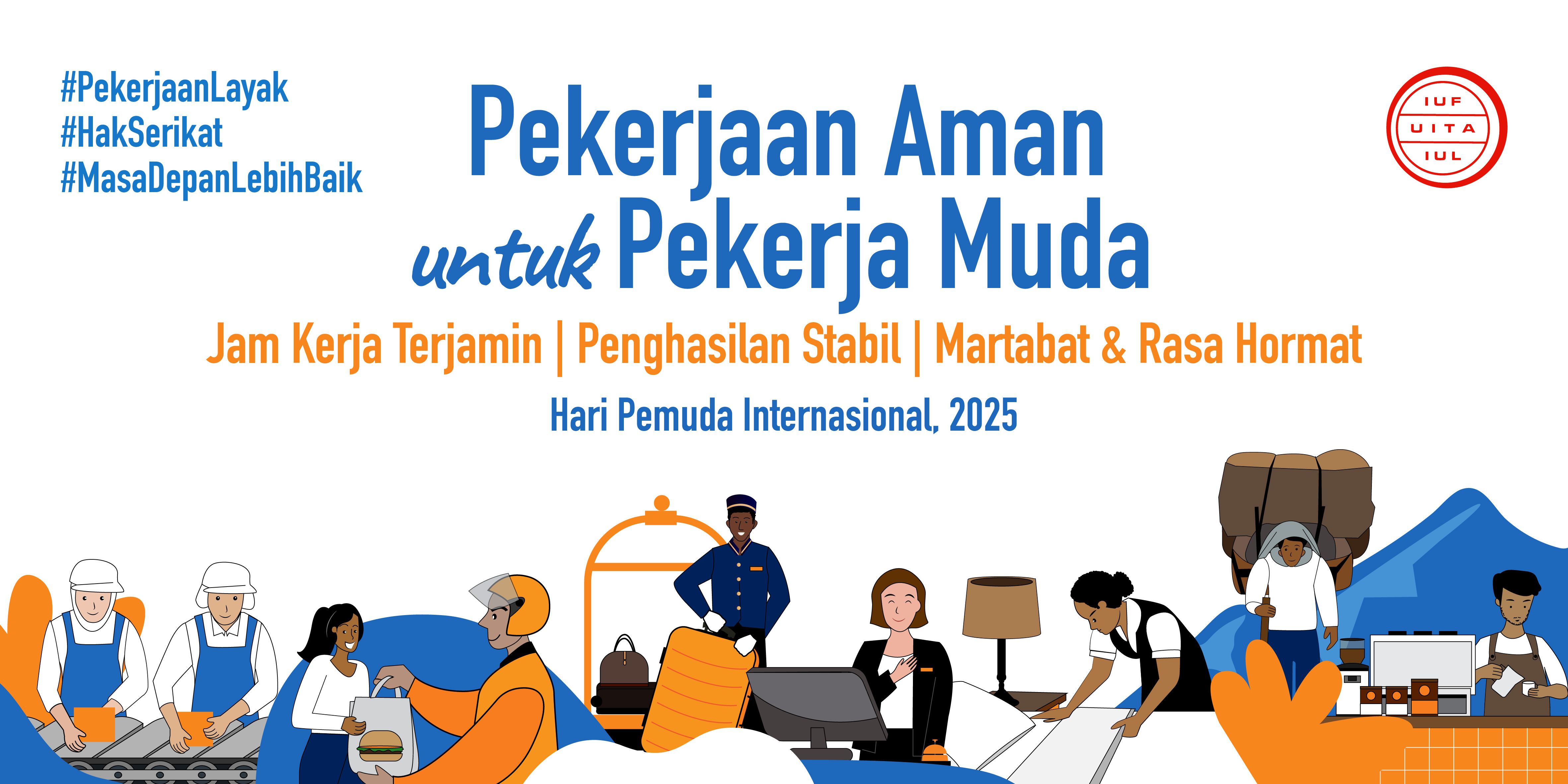
On International Youth Day 2025, young workers across food systems are demanding secure, permanent jobs that provide stability, dignity, and a future they can count on. They are pushing back against a system that too often relies on insecurity.
Many of the new positions being created for young workers are contract-based, part-time, casual, or zero-hour contracts, offering little to no job security, unpredictable schedules, and poverty wages. For young workers entering the workforce, this means constant uncertainty: not knowing how long they will have work, how many hours they will get each week, or whether they can pay rent, cover transport, or afford basic living costs.
Precarious employment not only creates stress and strips young workers of the ability to plan for their future, but also undermines their rights. It weakens their ability to exercise their enabling rights, including freedom of association and collective bargaining.
In the food processing and beverage manufacturing sector, most young workers are employed in contract or outsourced jobs. In the hotel industry, in addition to the precarious employment, young workers are often exploited through prolonged traineeships and internships.
While the food services sector continues to grow rapidly, so does the number of precarious jobs. Employers across fast food, cafés, and food delivery platforms often promote “flexible working” to attract young workers, but too many remain trapped in casual, low-paid roles that bring constant stress and no certainty. This so-called “flexibility” is often just a way to cut labour costs, leaving young workers to bear all the risk and insecurity.
Young workers are calling for secure jobs with guaranteed hours, stable incomes, and respect and dignity at work. They are organizing in unions and demanding real change.
Through union power and collective action, young workers are fighting back. They are winning permanent contracts, challenging wage theft, building strength in their workplaces, and securing the ability to plan their lives, support their families, and work with dignity.
Chiang Mai Barista Labour Union members winning against wage theft!
Barista workers in Chiang Mai, Thailand, through the Chiang Mai Barista Labor Union, won against wage theft in the form of recovered wages of two months of unpaid wages, and secured compensation for wages that had been paid below the legal standard over the past year. On March 19, 2025, the Chiang Mai Provincial Office of Labor Welfare and Protection ordered the employer to pay the full amount of compensation claimed.
National Food Delivery Riders Union [NFDRU] members in the Philippines wining against wage theft!
On July 30, 2025, NFDRU recovered lost wages for 20 food delivery riders. Through the unions, Foodpanda Philippines was finally forced to enforce an National Labor Relations Commission’s decision ordering the company to fairly compensate riders.
Also in Indonesia, listen to the voices of union members at PT. Indolakto Purwosari, part of the FSBMM, who have secured permanent jobs through their union’s strength and determination.