In a continuous endeavour of winning permanent employment, IUF affiliated CSMU at AB InBev India fought consistently with courage to win permanent employment for precarious employees.
India is the largest potential market for beer in the world with suitable demographics and around 23 million young population. For world’s largest beer company and premium beer brand manufacturer like Budweiser, AB InBev sees India as the fourth largest market globally and making new investments. But this investment mostly used for automation, digitalisation and new technology with very limited investment in safe & secure employment. Therefore, unions are constantly subject to pressure of multitasking, excessive workload, increased stress and job insecurity. CSMU in India used this opportunity to combat precarious employment and win permanent employment at AB InBev India.
In the middle of pandemic situation, AB InBev India decided to re-open the closed Foster site at Aurangabad in Maharashtra with new investment and CSMU demanded new recruitment with special focus on gender equality through their collective bargaining agreement proposal. It became the first Indian brewery with gender balance in workmen category.
The union also ensured new investment to install new manufacturing line of premium beer brand like Budweiser and after successful launch of Budweiser beer brand manufacturing, the union started demanding more secure employment to continue producing best quality products. Before making any progress, AB InBev India management delayed and denied but regular follow up with hard struggles, the union successfully negotiated secure employment.
The union also provided all the required support to ensure skill development of these workers, representation with the company and awareness on worker rights through regular education & training activities of the IUF Asia Pacific. https://iufap.org/category/quality-apprenticeship/
In contemporary situation, when unions are experiencing a rise in precarious employment in food system, this victory brings a hope for others to continue their fight for secure employment.
தரமான பயிற்சிகள் குறித்த சர்வதேச தொழிலாளர் அமைப்புகளின் பரிந்துரை எண். 208 இன் அடிப்படையில், IUF ஆசியா/பசிபிக் நான்கு இன்போ கிராஃபிக்ஸின் தொகுப்பை அறிமுகப்படுத்தியது, அவை பின்வருமாறு விளக்குகின்றன:
अन्तर्राष्ट्रिय श्रम संगठनहरूको गुणस्तरीय प्रशिक्षुता सम्बन्धी सिफारिस नम्बर २०८ मा आधारित, IUF एशिया/प्रशान्तले चार इन्फोग्राफिक्सको सेट सुरु गर्यो जसले व्याख्या गर्दछ:
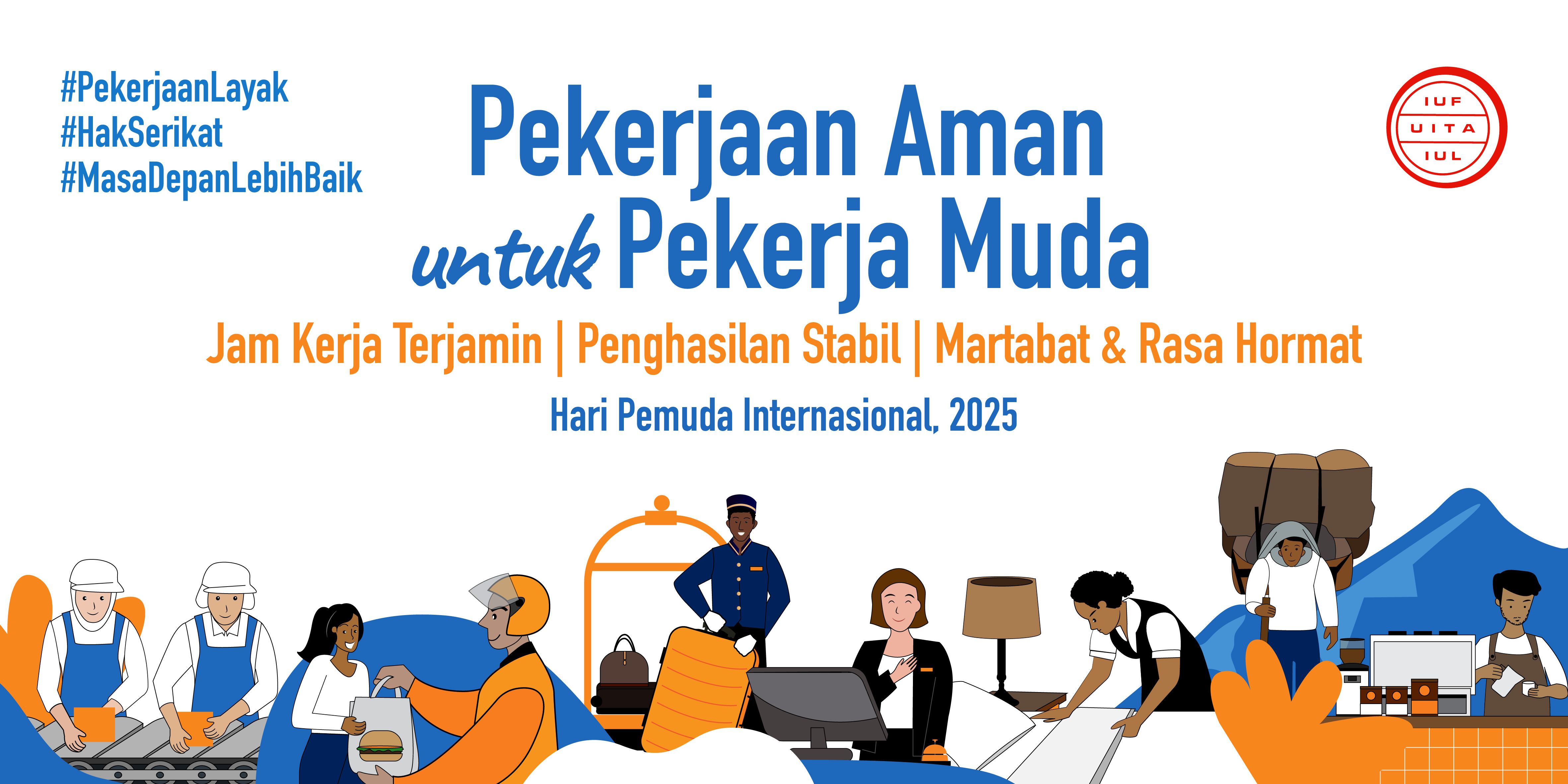
On International Youth Day 2025, young workers across food systems are demanding secure, permanent jobs that provide stability, dignity, and a future they can count on. They are pushing back against a system that too often relies on insecurity.
Many of the new positions being created for young workers are contract-based, part-time, casual, or zero-hour contracts, offering little to no job security, unpredictable schedules, and poverty wages. For young workers entering the workforce, this means constant uncertainty: not knowing how long they will have work, how many hours they will get each week, or whether they can pay rent, cover transport, or afford basic living costs.
Precarious employment not only creates stress and strips young workers of the ability to plan for their future, but also undermines their rights. It weakens their ability to exercise their enabling rights, including freedom of association and collective bargaining.
In the food processing and beverage manufacturing sector, most young workers are employed in contract or outsourced jobs. In the hotel industry, in addition to the precarious employment, young workers are often exploited through prolonged traineeships and internships.
While the food services sector continues to grow rapidly, so does the number of precarious jobs. Employers across fast food, cafés, and food delivery platforms often promote “flexible working” to attract young workers, but too many remain trapped in casual, low-paid roles that bring constant stress and no certainty. This so-called “flexibility” is often just a way to cut labour costs, leaving young workers to bear all the risk and insecurity.
Young workers are calling for secure jobs with guaranteed hours, stable incomes, and respect and dignity at work. They are organizing in unions and demanding real change.
Through union power and collective action, young workers are fighting back. They are winning permanent contracts, challenging wage theft, building strength in their workplaces, and securing the ability to plan their lives, support their families, and work with dignity.
Chiang Mai Barista Labour Union members winning against wage theft!
Barista workers in Chiang Mai, Thailand, through the Chiang Mai Barista Labor Union, won against wage theft in the form of recovered wages of two months of unpaid wages, and secured compensation for wages that had been paid below the legal standard over the past year. On March 19, 2025, the Chiang Mai Provincial Office of Labor Welfare and Protection ordered the employer to pay the full amount of compensation claimed.
National Food Delivery Riders Union [NFDRU] members in the Philippines wining against wage theft!
On July 30, 2025, NFDRU recovered lost wages for 20 food delivery riders. Through the unions, Foodpanda Philippines was finally forced to enforce an National Labor Relations Commission’s decision ordering the company to fairly compensate riders.
Also in Indonesia, listen to the voices of union members at PT. Indolakto Purwosari, part of the FSBMM, who have secured permanent jobs through their union’s strength and determination.